 EN
EN Pyccкий
 Mar 18,2026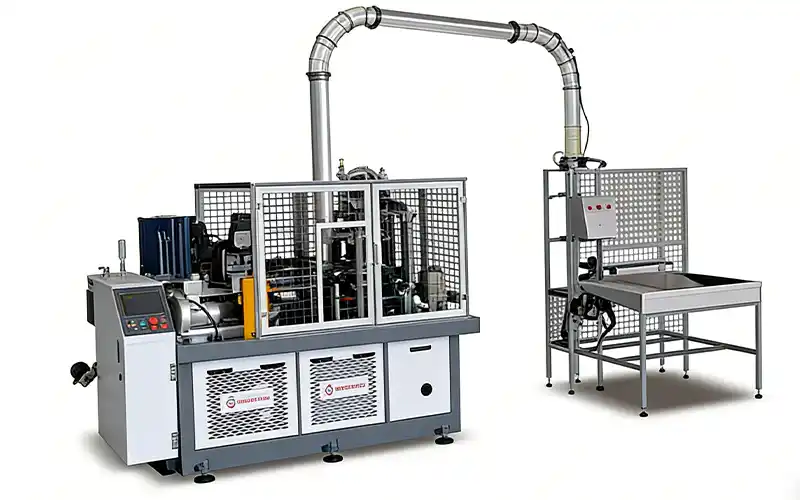
If you are reading this, you are likely looking to enter the disposable packaging industry or upgrade your current production line. Understanding how to make a paper cup machine isn‘t about building one from scratch in your garage; it’s about understanding the engineering, the mechanics, and the sourcing strategy to acquire the right equipment for your business.
Investing in a paper cup machine is a significant capital decision. Whether you are looking for a small-scale setup or a high-speed automatic production line, understanding the internal workings, manufacturing hubs, and key specifications can help you avoid costly mistakes. This guide breaks down the structure, the sourcing secrets, and the maintenance realities of modern paper cup forming machinery.
The Core Mechanics: How a Paper Cup Machine Works
To truly understand how to make a paper cup machine work for you, you must first understand the three-stage dance of mechanics and thermodynamics that turns flat paper into a leak-proof cup. Modern paper cup-making machines operate on a rotary or indexing turret system, and the process is surprisingly intricate.
Stage 1: Side Wall Forming
The process begins with a flat blank (fan) of PE-coated paper. The machine picks this blank from the hopper and wraps it around a mold. The side seam is then sealed using either ultrasonic sealing (vibration friction) or hot air. This method has largely replaced glue in automatic machines, ensuring a cleaner and stronger bond.
Stage 2: Bottom Knurling and Sealing
This is the most critical stage for quality control. While the side wall is held on the mold, a bottom paper roll is fed into the machine, punched into a disc, and pushed into the bottom of the cup. The machine then performs a "knurling" action—mechanically rolling the bottom edge to crimp it tightly with the side wall. High-end machines use a single-shaft bottom knurling system to ensure a zero-leak rate.
Stage 3: Curling and Ejection
Finally, the top rim of the cup passes through a curling mechanism. This curls the paper outward to create the familiar drinking lip, which is essential for comfort and cup rigidity. Once curled, the finished cup is ejected from the mold and counted.
Types of Paper Cup Machines: Matching Equipment to Scale
Manual and Semi-Automatic Machines
These are entry-level machines where operators manually place the blanks and remove the cups. They are slow, typically producing 30-50 cups per minute (CPM). However, they are cheaper and easier to maintain. If your budget is extremely tight or you are serving a hyper-local micro-market, this might be a starting point, but labor costs will eat into your margins.
Fully Automatic Machines (The Industry Standard)
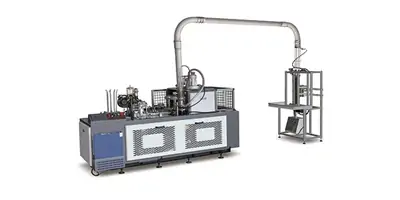
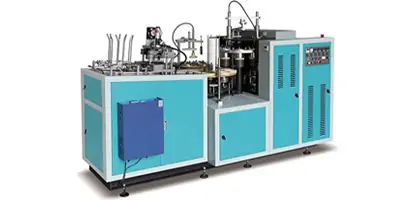
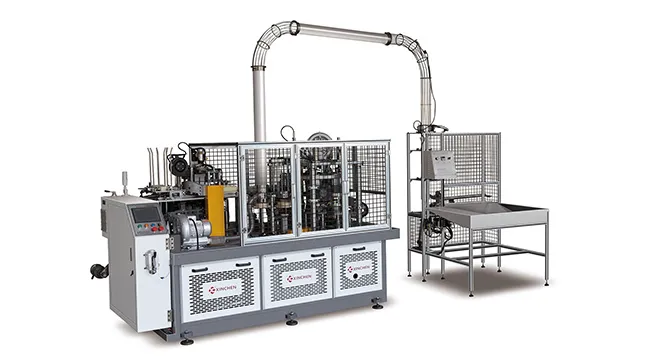
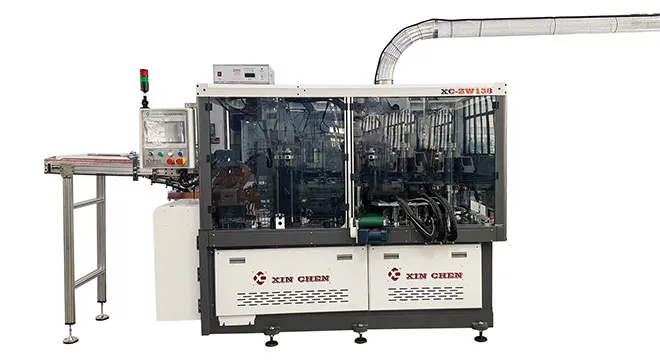
This is the sweet spot for most small to medium enterprises (SMEs). A fully automatic paper cup-making machine handles feeding, sealing, and ejection automatically. Speeds range from 50 to 100 cups per minute. These machines often feature Programmable Logic Controllers (PLC) and touch screens, allowing you to adjust temperatures and speeds on the fly. Most suppliers on platforms like Alibaba offer models in this range, with prices varying based on whether they use servo motors or standard motors.
High-Speed and Multi-Lane Machines
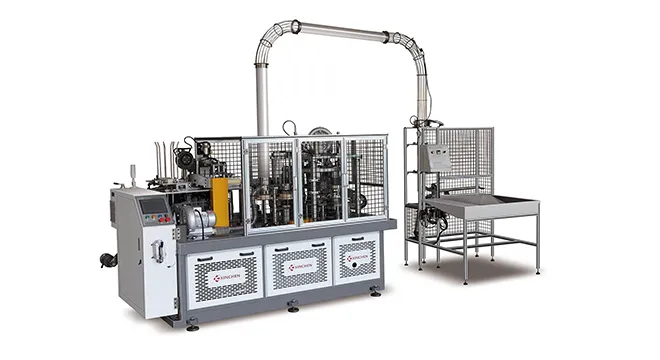
For industrial-scale production, high-speed machines (100+ cups per minute) or multi-lane machines are required. These are heavy-duty, often weighing several tons, and include advanced features like automatic stacking, counting, and even in-line printing. These are investments that require dedicated technical staff to operate.
Key Specifications and Features to Look For
To ensure you are getting value for money, do not just look at the price tag. Scrutinize the technical details of the paper cup manufacturing machine.
Material Compatibility
-
Paper Weight (GSM): Ensure the machine can handle the grammage you need (usually 170-350 gsm). Thicker paper for coffee cups requires more robust mechanics.
-
Coating: The machine must handle single or double PE-coated paper effectively. If you are moving into eco-friendly markets, check if it can handle PLA (biodegradable) coated materials.
Power and Heating Systems
Look for energy-efficient designs. Older models use simple resistance heaters that waste electricity. Newer machines feature optimized heating elements for the bottom knurling station and side sealing, which can significantly reduce your workshop‘s power bill.
Quick Changeover
If you plan to produce multiple cup sizes (e.g., 4oz, 8oz, and 12oz), you need a machine with a quick-change mold system. This allows you to swap out molds and adjust the machine in under an hour, minimizing downtime.
Maintenance: Ensuring Longevity
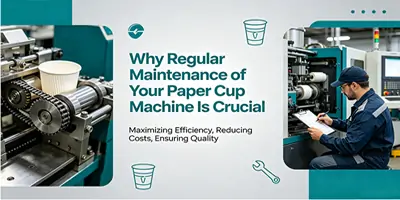
Buying the machine is just the beginning. To keep your paper cup machine running for years, daily and weekly maintenance is non-negotiable.
•Lubrication: Moving parts and cams need daily lubrication. Use the correct oil—too much can contaminate the product, too little causes wear.
•Sensor Cleaning: Optical sensors get covered in paper dust. Clean them every 2-3 days to prevent misfeeds and jams.
•Heater Checks: Monitor the temperature stability of the bottom and side heaters. Fluctuations lead to bad seals and leaking cups.
•Raw Material Storage: Store your PE paper rolls in a dry place. Damp paper is the number one cause of misfeeds and sealing failures.
Conclusion
Understanding how to make a paper cup machine work for your business requires research into mechanics, supplier reliability, and operational maintenance. By focusing on the type of machine that fits your scale, insisting on key features like servo drives and efficient heating, and committing to a strict maintenance schedule, you can build a profitable venture in the booming paper packaging market.
Ready to Start Your Paper Cup Business?
Don‘t navigate this alone. We curate the best sourcing tips, machine breakdowns, and industry updates to help you succeed.
>Would you like to learn more about our company's products? Please contact us!
Have questions about specific models or suppliers? Drop a comment below, and let‘s discuss!